Fashion Missteps to Avoid
We’ve all been there—standing in front of the mirror, questioning our outfit choices. Sometimes, a mix of excitement and indecision leads to fashion mistakes that can easily be avoided with just a bit more thought. Whether it's mismatching colors, overloading on accessories, or choosing the wrong fit, the world of fashion can be tricky to navigate. Here, we'll explore common fashion mistakes and offer practical advice to help you elevate your style and avoid wardrobe blunders.
Mismatched Colors
One of the most common fashion mistakes is choosing colors that clash rather than complement. While personal style is all about experimenting, it’s important to recognize the difference between bold combinations and those that simply don't work together.
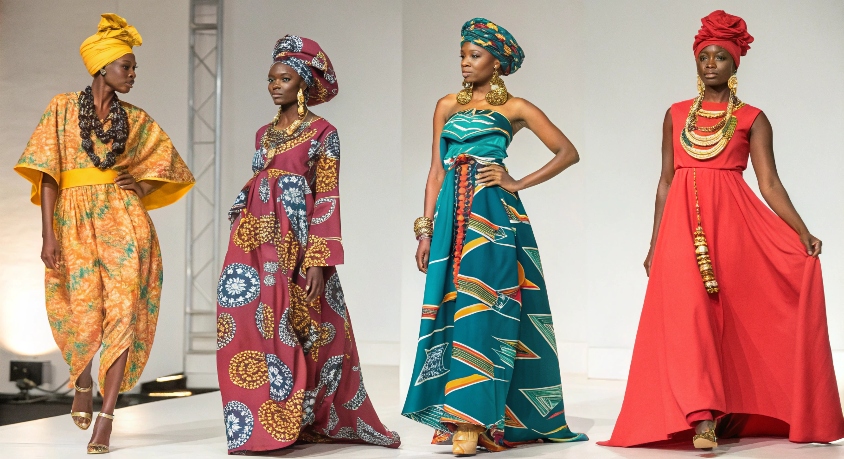
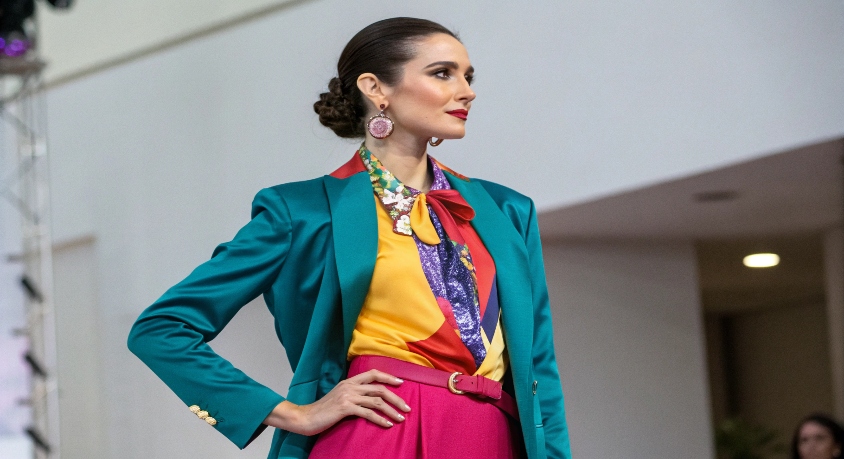
How to Avoid It: Start by mastering the basics of color coordination. If you’re not sure where to begin, neutral colors like black, white, navy, and beige are always safe choices and can be mixed easily with bolder hues. If you love vibrant colors, try sticking to a color palette, such as warm tones (reds, oranges, yellows) or cool tones (blues, greens, purples), and match those within your outfit. The key is to avoid overwhelming your look with too many conflicting colors.
Overloading on Accessories
Accessories can elevate an outfit, but overdoing it can make you look cluttered. Wearing too many statement pieces, such as bold necklaces, oversized earrings, and layered bracelets, all at once can create visual chaos.
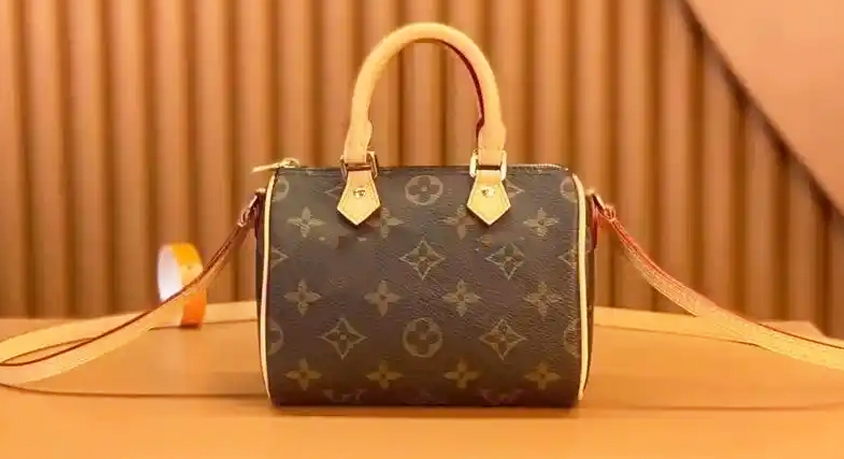
How to Avoid It: Choose one statement accessory as the focal point of your outfit. If you’re wearing a chunky necklace, opt for simpler earrings and bracelets. Similarly, if you choose a bold bag or shoes, keep the rest of your accessories minimal. Remember, sometimes less is more, and a well-chosen accessory can speak volumes without needing to compete with other pieces.
Wearing Clothes That Don’t Fit Properly
One of the biggest mistakes anyone can make in fashion is wearing clothing that doesn’t fit well. Whether it’s too tight, too loose, or the wrong length, poorly fitting clothes can detract from your overall appearance, no matter how stylish the item itself is.
How to Avoid It: Always prioritize fit over trends. Clothes that fit properly not only enhance your silhouette but also allow you to feel comfortable and confident. Get familiar with your body type and invest in tailoring if necessary. For example, a pair of jeans might need to be hemmed, or a blazer might require taking in the sides to create a more flattering shape. A well-fitted outfit can make all the difference in how you look and feel.
Mixing Too Many Patterns
While mixing patterns can create a bold and fashionable look, doing so incorrectly can cause your outfit to look busy and disorganized. Wearing stripes, polka dots, and florals all in one outfit can overwhelm the eye and diminish the aesthetic appeal.
How to Avoid It: If you love patterns, try to balance them carefully. Choose patterns that share a common color or theme, or pair a patterned item with a solid-colored piece to help tone things down. For example, pairing a floral blouse with solid pants or a striped shirt with plain jeans can create a cohesive look that still feels fresh and stylish. When in doubt, start with one bold pattern and keep the rest of the outfit neutral.
Neglecting Footwear
Shoes are often overlooked but are a vital part of any outfit. The wrong pair of shoes can completely throw off an otherwise great look. Whether it’s wearing sneakers with a formal dress or sandals with a winter coat, footwear can make or break your style.
How to Avoid It: Always consider the occasion and the overall vibe of your outfit when selecting shoes. For formal occasions, a classic pump or sleek loafer works best, while casual looks pair well with stylish flats, sneakers, or boots. Additionally, match the color and style of your shoes to the rest of your outfit—when in doubt, neutral shoes are versatile and easy to pair with almost any look.
Ignoring Seasonal Appropriateness
Wearing clothes that aren’t suitable for the season can make you appear out of touch with the current trends and uncomfortable. It’s important to dress for the weather and adapt your wardrobe accordingly.
How to Avoid It: Embrace layering in the colder months and choose breathable fabrics like cotton and linen for warmer weather. Make sure that your wardrobe is stocked with items that are appropriate for the season. For example, thick wool sweaters and coats are ideal for winter, while lighter dresses and sandals are best for summer. Seasonal versatility in your wardrobe can ensure that you look both stylish and comfortable all year round.
Dressing with Confidence and Taste
Fashion is a form of self-expression, and everyone’s style journey is unique. While it’s easy to fall into the trap of fashion mistakes, understanding the fundamentals of good styling can make a huge difference in your overall appearance. Avoiding mismatched colors, overloading on accessories, choosing the right fit, and being mindful of your shoes and seasonality can all help you build a wardrobe that exudes confidence and taste.
Disclaimer: Mention of any brand or trademark is for identification only and does not imply partnership or endorsement