The Bridge Between Tradition and Modernity
Fashion is an ever-evolving reflection of culture, history, and identity. Across the world, traditional clothing plays a significant role in maintaining and celebrating cultural heritage. However, as the fashion industry continues to evolve, designers are increasingly blending these traditional garments with contemporary styles. This fusion creates unique opportunities for cultural expression while embracing the diversity of the modern world. In this article, we will explore how traditional attire from various regions is being reinterpreted and reimagined in today's global fashion scene.
1. Kimono – Japan
One of the most iconic traditional garments, the kimono, has deep cultural significance in Japan. Traditionally worn for formal events such as weddings and tea ceremonies, the kimono features intricate designs, beautiful fabrics, and distinct silhouettes. In modern fashion, the kimono has been reworked into more accessible styles, such as kimono-inspired robes, cardigans, and dresses, often seen on runways and in streetwear.
Many contemporary designers, including those in the West, have drawn inspiration from the kimono’s luxurious fabrics and unique sleeve shapes, incorporating them into modern collections. This modern iteration retains the elegance of the traditional garment but makes it easier to wear and more adaptable for daily life.
Modern Interpretation:
Kimono-inspired designs are often seen in casual wear, such as light kimono jackets paired with jeans or layered over T-shirts, combining traditional aesthetics with modern practicality.
2. Sari – India
The sari, a timeless symbol of Indian femininity, is a long piece of fabric draped elegantly around the body. Traditionally worn with a blouse and petticoat, the sari is known for its vibrant colors, intricate embroidery, and rich fabrics. While it remains a go-to outfit for formal occasions, the sari has also evolved in modern fashion.
Fashion designers now experiment with the sari by using unconventional fabrics and draping techniques. Some even combine the sari with contemporary elements like skirts or pants, making it a fusion piece suitable for parties or casual wear. The sari’s versatility is a testament to how traditional garments can be reimagined for modern settings.
Modern Interpretation:
Modern saris often feature lighter materials and simplified draping styles, making them more practical for everyday wear while maintaining their cultural essence.
3. Dashiki – West Africa
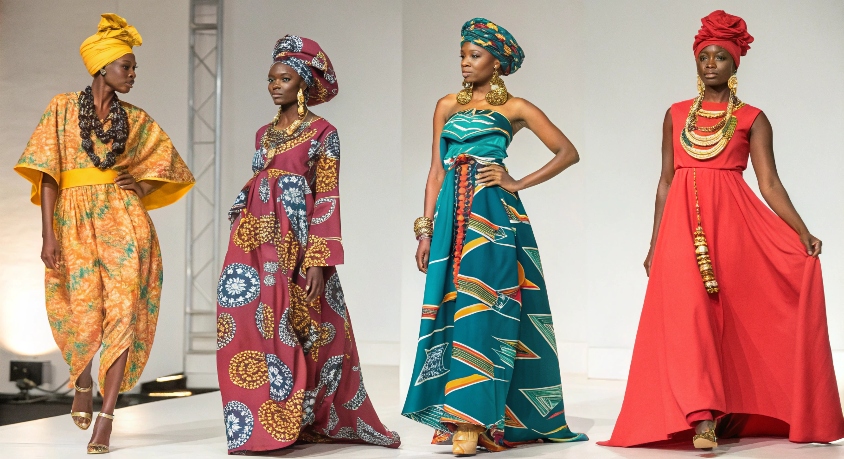
The dashiki, a colorful, loose-fitting shirt, is an essential garment in many West African cultures. Traditionally worn for festive occasions, it represents pride in African heritage and often features bold prints and bright colors. In contemporary fashion, the dashiki has been embraced globally, often incorporated into streetwear and casual outfits.
Western designers have been drawn to the dashiki’s eye-catching prints and flowing silhouettes, reimagining them in the form of shirts, dresses, and accessories. The vibrant colors and patterns of the dashiki make it an appealing piece for modern wardrobes, bridging the gap between tradition and contemporary trends.
Modern Interpretation:
The dashiki’s influence is seen in modern urban fashion, from T-shirts and button-downs to scarves and head wraps, combining African cultural heritage with international style.
The Global Influence of Traditional Fashion
As the world becomes more interconnected, traditional clothing has transcended its cultural boundaries and found its way into global fashion. Many high-fashion designers now incorporate elements of traditional dress into their collections, creating hybrid designs that respect the origins of these garments while appealing to a contemporary audience.
4. The Poncho – South America
The poncho, originating from indigenous cultures in South America, is a simple yet functional garment often made of wool or alpaca fibers. Traditionally worn for warmth and protection, it has been reimagined in modern fashion as both a functional and stylish outerwear piece. Contemporary versions of the poncho often feature bold patterns, fringe details, and oversized silhouettes, making it a popular choice in both urban and rural settings.
Modern Interpretation:
Ponchos are frequently featured in winter collections, reworked into chic outerwear pieces and paired with modern accessories, adding a global touch to everyday fashion.
5. Scottish Tartan – Scotland
Tartan, the checked pattern associated with Scottish kilts, has a rich history tied to the Scottish Highlands. Traditionally worn by men as part of their national dress, it symbolized clan identity and social status. In modern fashion, tartan has been adopted worldwide, not just in the form of kilts but also in skirts, jackets, and even accessories like scarves and ties.
Fashion houses, including high-end labels, have embraced tartan prints as part of their seasonal collections, updating the fabric’s traditional role while honoring its cultural significance. Tartan patterns have become an enduring symbol of classic style and are often used to make bold, fashion-forward statements.
Modern Interpretation:
Tartan is commonly seen in modern fashion as a print on various garments, from tailored jackets to casual flannel shirts, showcasing the enduring appeal of this traditional pattern.
Disclaimer: Mention of any brand or trademark is for identification only and does not imply partnership or endorsement