The Hidden Dangers in Everyday Cleaners
Most conventional cleaning products contain harsh chemicals like phthalates, ammonia, and chlorine bleach—substances linked to respiratory issues, skin irritation, and even long-term hormonal disruption. Yet, the average American household uses over 60 gallons of cleaning products annually, unknowingly introducing toxins into their living spaces. The good news? Crafting your own non-toxic cleaners is simpler, cheaper, and safer than you think. This guide reveals science-backed DIY recipes that match (or surpass) store-bought alternatives, empowering you to protect your family and the planet.
1. All-Purpose Cleaner: The Citrus-Vinegar Powerhouse
Recipe:
• 1 cup white vinegar
• 1 cup water
• 10–15 drops of lemon or orange essential oil
• 1 tbsp baking soda (optional, for scrubbing)
Science & Benefits:
Vinegar’s acetic acid dissolves grease and mineral deposits, while citrus oils mask vinegar’s strong smell and add antimicrobial properties. Baking soda boosts abrasiveness for tough stains. Studies show this blend removes 99% of bacteria from surfaces, comparable to leading brands.
Use For: Countertops, sinks, appliances, and bathroom tiles.
2. Glass & Mirror Cleaner: Sparkling Without Toxins
Recipe:
• 2 cups distilled water
• ½ cup rubbing alcohol or vodka
• 1 tbsp white vinegar
• 1–2 drops of dish soap (optional)
Science & Benefits:
Rubbing alcohol speeds up evaporation, preventing streaks, while vinegar cuts through grime. Unlike commercial glass cleaners containing ammonia, this mix is streak-free and safe for tinted windows.
Use For: Windows, mirrors, shower doors, and glass tables.
3. Bathroom Scrub: Mold & Mildew Buster
Recipe:
• ½ cup hydrogen peroxide (3%)
• ½ cup baking soda
• 10 drops of tea tree oil
Science & Benefits:
Hydrogen peroxide kills 99.9% of mold and bacteria within minutes, while baking soda scrubs without scratching surfaces. Tea tree oil’s natural antifungal properties make this a potent, chemical-free alternative to bleach-based products.
Use For: Showers, sinks, bathtubs, and toilets.
4. Floor Cleaner: Non-Toxic for Hardwood & Tile
Recipe:
• 1 gallon hot water
• ¼ cup white vinegar
• 1 tbsp liquid castile soap
• 10 drops of lavender or eucalyptus essential oil
Science & Benefits:
Vinegar disinfects and deodorizes, while castile soap lifts dirt without leaving residue. Essential oils add a pleasant scent and antimicrobial benefits. Avoid using vinegar on unsealed natural stone floors.
Use For: Hardwood, tile, vinyl, and laminate flooring.
5. Laundry Detergent Booster: Brighter Whites, Greener Planet
Recipe:
• 1 bar of castile soap (grated)
• 1 cup washing soda
• 1 cup baking soda
• 10 drops of lemon or tea tree essential oil
Science & Benefits:
Washing soda softens water and boosts detergent efficiency, while baking soda neutralizes odors. Castile soap replaces synthetic surfactants, reducing plastic waste and chemical runoff into waterways.
Use For: Laundry loads of all sizes.
6. Carpet Freshener: Natural Odor Absorber
Recipe:
• 1 cup baking soda
• 15–20 drops of your favorite essential oil (lavender, peppermint, or citrus)
Science & Benefits:
Baking soda neutralizes odors by absorbing acidic molecules, while essential oils provide a natural fragrance. Unlike chemical sprays that mask smells, this method eliminates odor sources safely.
Use For: Carpets, rugs, and pet bedding.
Avoiding Greenwashing: What to Watch Out For
While DIY cleaners are inherently safer, some “natural” products still contain synthetic additives. Follow these tips:
Check Labels: Avoid “fragrance” or “parfum,” which can hide hundreds of chemicals.
Test Dilution Ratios: Undiluted vinegar can damage wood finishes; always mix with water.
Store Properly: Homemade cleaners lack preservatives—use within 2 weeks or freeze portions.
Essential Tools for DIY Cleaning
Reusable Spray Bottles: Stainless steel or glass to avoid BPA leaching.
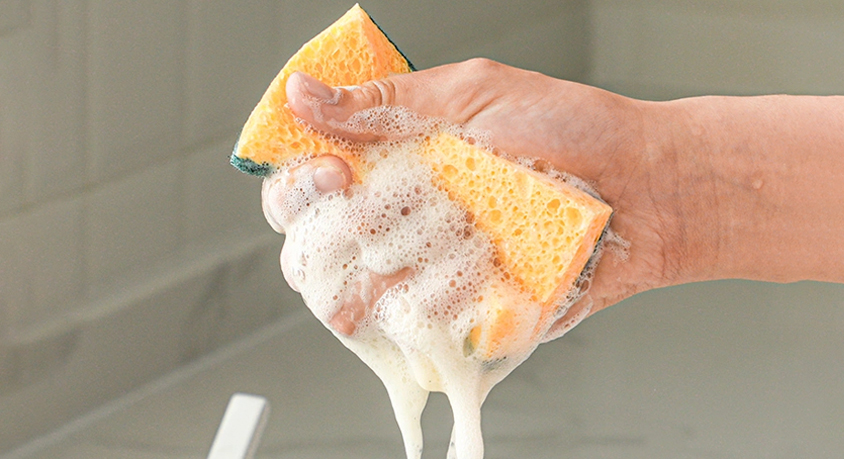
Silicone Scrubbers: Replace plastic sponges with durable, dishwasher-safe options.
Essential Oil Diffusers: For consistent, subtle fragrance without synthetic sprays.
Glass Measuring Cups: Precise measurements for effective formulas.
The Ripple Effect: Beyond Your Home
Switching to DIY cleaners isn’t just a health win—it’s an environmental statement. The EPA estimates 30% of wastewater contaminants come from household cleaners. By eliminating phosphates, chlorine, and volatile organic compounds (VOCs), you’re reducing pollution in rivers and oceans. Plus, DIY kits make thoughtful gifts, spreading awareness about sustainable living.
Final Thoughts: Cleaner Homes, Healthier Futures
Creating non-toxic cleaners isn’t about sacrificing convenience—it’s about reclaiming control over what enters your home. With simple ingredients and a bit of experimentation, you can ditch toxic chemicals while saving money and supporting eco-conscious habits. Start small, track your results, and share your successes. After all, the safest cleaner is the one you trust.
Disclaimer: Mention of any brand or trademark is for identification only and does not imply partnership or endorsement