In the world of fashion, color is more than just a visual element—it is a reflection of emotion, personality, and taste. The way colors are coordinated determines the overall sophistication of an outfit. Skillfully combining hues can elevate a look, making it more refined, confident, and unique. So how can you use clothing, shoes, and accessories to master the art of elegance? The key lies in three fundamental principles: color balance, texture contrast, and visual elongation.
Color Balance: The Perfect Harmony of Coordination and Contrast
Achieving an elegant look starts with mastering color balance. Too many colors can create a chaotic appearance, while an overly monotonous palette may lack depth. Striking the right proportion of colors is essential for crafting a polished and sophisticated style.
Monochrome Styling: Unified and Refined
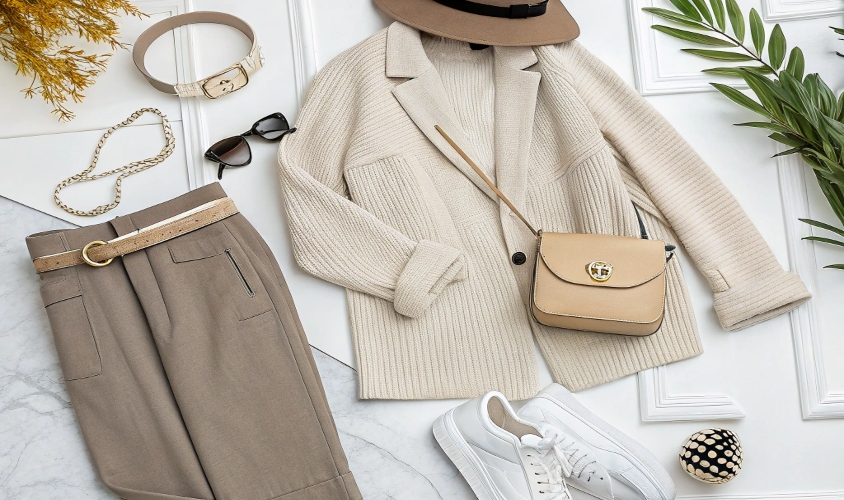
Monochrome outfits are one of the simplest yet most effective ways to exude sophistication. Wearing different shades of the same color, such as warm earth tones, classic off-whites, or cool grays, creates a sense of cohesion while adding subtle depth. Even a basic shirt and trousers can exude elegance when the tones are well-matched.
Contrasting Colors: A Bold Yet Balanced Approach
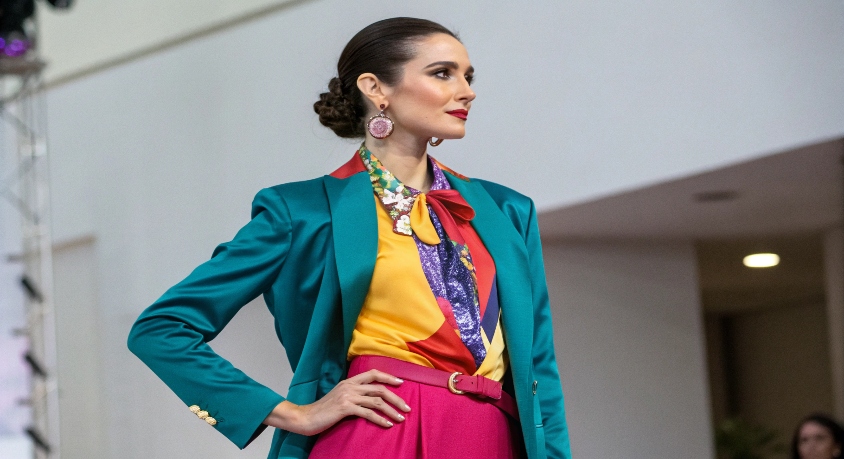
For a more fashion-forward look, consider using contrasting colors. The key is to control the intensity of the contrast. Classic black-and-white pairings never go out of style, while a combination of soft blues and warm oranges can add vibrancy without overpowering the look. To maintain a balanced aesthetic, neutral-colored shoes or accessories can act as a grounding element, preventing the outfit from feeling too overwhelming.
Muted Tones: The Secret to Understated Elegance
Highly saturated colors can be eye-catching but may feel overwhelming if not styled correctly. Muted tones—such as taupe, misty blue, and dusty lavender—are the ultimate secret to effortless sophistication. Even in casual ensembles, incorporating shoes or handbags in these soft hues can instantly enhance the overall look.
Texture Contrast: The Art of Layering Different Materials
Beyond color selection, the sophistication of an outfit also depends on the interplay of textures. A monochrome outfit can appear flat if there is no variation in fabric, whereas a mix of materials can add depth and dimension, making the look more visually appealing.
Matte vs. Glossy: Creating a Striking Contrast
Matte fabrics like wool and linen offer a subdued, understated appeal, while glossy materials such as silk, patent leather, and metallic fabrics exude a touch of luxury. Combining the two—for example, layering a structured matte coat over a silky dress or pairing suede shoes with metallic accessories—creates a dynamic interplay that elevates the outfit.
Structured vs. Flowing: Balancing Sharpness and Fluidity
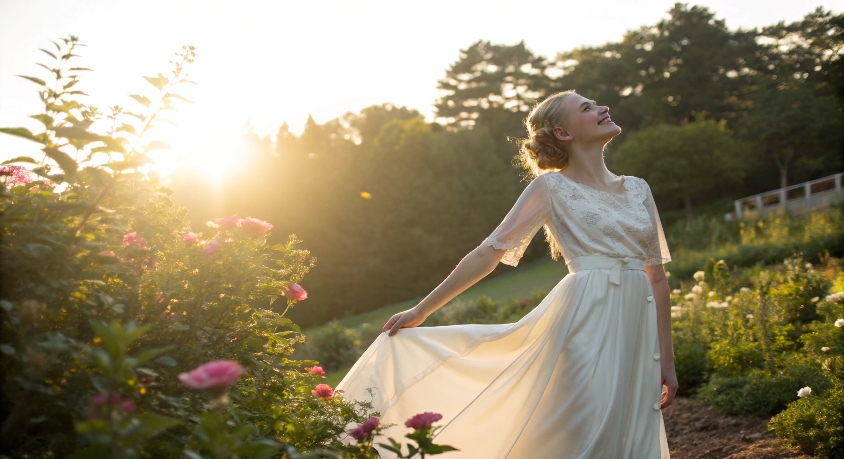
The silhouette and texture of fabrics can also impact how colors are perceived. Structured materials like tailored wool and leather add a sense of formality and sharpness, whereas soft knits and chiffon introduce movement and a relaxed elegance. A structured blazer over a flowing maxi dress strikes the perfect balance between power and grace.
Coarse vs. Fine: Elevating Details with Subtle Contrast
Small-scale texture contrasts can significantly enhance an outfit’s sophistication. For instance, pairing a tweed jacket with a satin scarf or accessorizing suede footwear with polished metal accents creates layers of visual interest. These subtle contrasts refine the overall aesthetic, allowing colors to reveal different dimensions under varying lighting conditions.
Visual Elongation: Using Color Placement to Enhance Proportions
Achieving an elegant look is not just about color selection—it is also about how color placement influences body proportions. The strategic use of colors can elongate the silhouette, creating a more balanced and refined appearance.
Monochrome Styling for a Streamlined Effect
Wearing a single color from head to toe can visually extend the silhouette. Darker shades or neutral tones such as beige, navy, or gray create a seamless transition, making the body appear longer and leaner. Pairing shoes in a matching shade further enhances this elongating effect.
Statement Accessories for a Subtle Pop of Color
If your outfit consists of neutral or muted tones, a statement accessory can serve as a focal point. A vibrant handbag, silk scarf, or a pair of bold earrings can break the monotony while maintaining an overall sense of sophistication.
Coordinated Shoes and Bags for a Cohesive Look
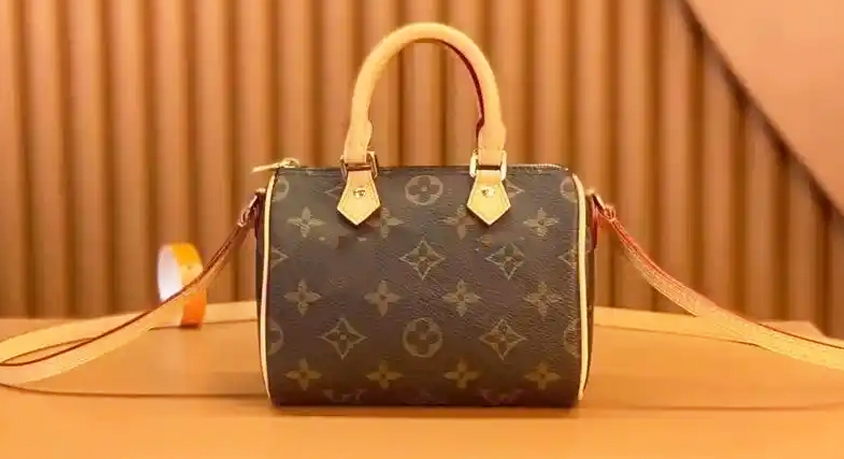
Matching shoes and bags in similar tones is a subtle yet effective way to create a polished appearance. For example, nude-toned heels paired with a complementary handbag can unify the outfit while visually elongating the legs, enhancing the overall proportions.
Sophisticated dressing is not about the price of your wardrobe—it is about the art of color coordination. Color balance ensures harmony and depth, texture contrast adds richness and dimension, and visual elongation refines proportions for a sleek and elegant silhouette.
By mastering these three principles, you can effortlessly elevate your everyday outfits and formal ensembles alike. Fashion is not just about following trends; it is about curating a personal style that reflects both elegance and individuality. And in this journey, color is your most powerful tool.
Disclaimer: Mention of any brand or trademark is for identification only and does not imply partnership or endorsement