The Power of Clothing on Our Mindset
When we wake up in the morning and choose our outfit, it’s often a decision made based on comfort, practicality, or style preferences. However, the psychology behind how we dress goes far deeper. The clothes we wear not only reflect our external image but also shape how we feel about ourselves and how others perceive us. From boosting self-confidence to influencing professional success, fashion has a profound effect on our mindset and behavior.
Clothing and Self-Confidence
What we wear has a direct link to how we feel. This concept is known as “enclothed cognition,” a term coined by psychologists to describe the psychological impact of clothing on our thoughts and behavior. Simply put, the clothes we wear can influence how we think and act.
Boosting Confidence with the Right Outfit
Wearing clothes that make us feel good is one of the quickest ways to boost our self-esteem. For instance, when you wear a well-tailored suit, a stylish dress, or even a favorite pair of shoes, you are likely to walk a bit taller and feel more empowered. This is because clothing can act as a form of non-verbal communication, reflecting how we see ourselves and how we want the world to see us. When we feel good in what we wear, it sends a message of confidence to ourselves and others.
The Role of Fit and Comfort
The fit of your clothing also plays a major role in shaping your confidence. Wearing clothes that fit well—neither too tight nor too loose—can significantly improve your posture and the way you carry yourself. Comfort is key; when you feel physically comfortable, you are more likely to be confident and focus on the task at hand, whether it’s in a social setting or a professional environment.
Influence on How Others Perceive Us
Clothing is one of the first things people notice about us, and it plays a key role in forming first impressions. Our clothing choices can shape how others perceive our personality, status, and even competence. Research has shown that people tend to make snap judgments based on what someone is wearing, often within seconds of meeting them.
Dress for the Occasion
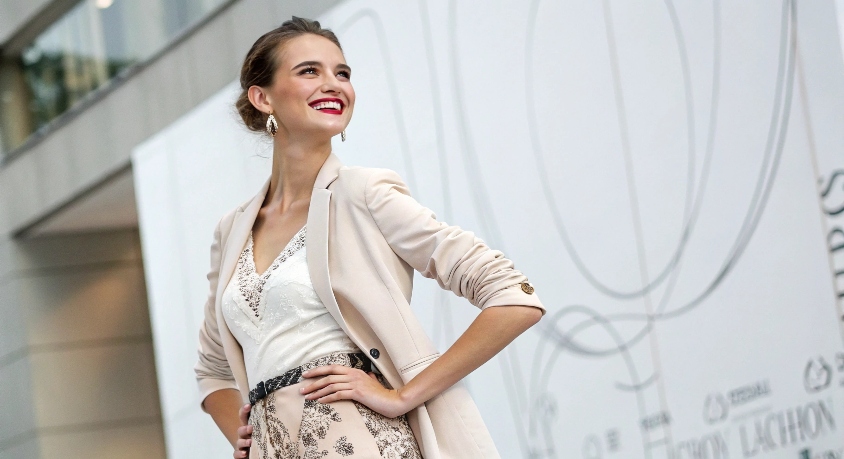
Understanding the power of clothing means knowing how to dress for different occasions. Whether you’re attending an interview, meeting new people, or going on a date, your outfit sends a message. For example, professional attire, such as a sharp suit or a polished dress, can convey competence and seriousness in a work setting. On the other hand, casual but stylish clothing can suggest approachability and creativity in more relaxed environments. By dressing appropriately for the situation, you can enhance the way others perceive you, helping you make positive impressions and feel more at ease in various social contexts.
Social Influence and Group Dynamics
Clothing also plays a role in group dynamics and social identity. People often dress similarly to others in their social circles or cultural groups to feel a sense of belonging. By wearing clothes that align with the norms of your group, you can feel more connected and accepted. At the same time, clothing can be used to stand out and express individuality, signaling to others that you have unique qualities or ideas.
Clothing as a Form of Personal Expression
Fashion is not just about following trends or dressing to please others; it’s an effective way to express who we are. Our clothing choices can reflect our personal values, interests, and identity. Whether through vibrant colors, unique patterns, or bold accessories, our outfits tell a story about ourselves and communicate something important to those around us.
Expressing Personality through Fashion
Some people choose to express their creativity through clothing, wearing outfits that are artistic or unconventional. Others may prefer classic styles that reflect their desire for simplicity or sophistication. Regardless of the style, clothing is a medium through which we communicate our personality to the world. When we dress in a way that aligns with our true selves, it can lead to greater self-acceptance and satisfaction. Wearing clothes that represent who we are or what we believe in can make us feel more authentic, empowered, and grounded.
Fashion and Empowerment
Certain clothing items have the power to evoke a sense of empowerment. For example, when women wear power suits or men choose attire that makes them feel authoritative, it can boost their sense of control and self-assurance. Fashion allows us to experiment with different personas—whether it’s embracing a bold, confident look for a business presentation or opting for relaxed, comfortable attire when spending time with friends. By carefully selecting what we wear, we can embody a range of emotions and roles, giving us the power to influence both our behavior and how others respond to us.
The Mind-Body Connection Through Fashion
The clothes we choose to wear are far more than mere fabric. They are a reflection of our inner self, a tool for expressing who we are, and a means of influencing how we feel and how others perceive us. Whether it's boosting confidence, making a positive impression, or showcasing individuality, fashion psychology plays a crucial role in shaping our mindset and behavior. By understanding how clothing affects us, we can make intentional choices that elevate our confidence, communicate our personality, and empower us to succeed in both our personal and professional lives. So, next time you choose an outfit, remember: your clothes have the power to transform the way you feel and the way the world sees you.
Disclaimer: Mention of any brand or trademark is for identification only and does not imply partnership or endorsement