As sustainability becomes an increasingly important aspect of modern living, people are looking for ways to reduce their energy consumption while enhancing their quality of life. Smart home technology offers the perfect solution for achieving this balance. By integrating smart irrigation systems, energy-efficient lighting, temperature control devices, and living green walls, we can create homes that are both environmentally friendly and comfortable. This article explores how these technologies can work together to build a green home that blends the best of nature and innovation.
Smart Irrigation Systems: Efficient Water Use for Healthy Plants
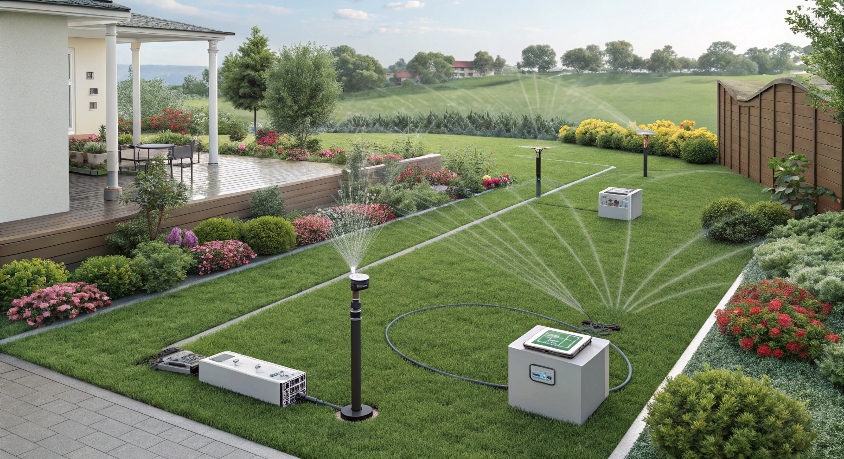
For gardening enthusiasts, keeping plants healthy is often a top priority. However, traditional watering methods can lead to water waste, overwatering, or even neglect. A smart irrigation system addresses these issues by using sensors to monitor soil moisture levels and adjusting the water flow accordingly. These systems ensure that plants receive the precise amount of water they need, preventing both drought stress and waterlogging.
In addition, smart irrigation systems can connect with weather forecast data, automatically adjusting the watering schedule to avoid overwatering during rainy days. Users can monitor and control the system remotely via smartphone apps, offering convenience and reducing the need for manual intervention. This not only conserves water but also helps maintain a lush and thriving indoor or outdoor garden.
Energy-Efficient Lighting: Sustainable Illumination for Your Home
Lighting is a significant source of energy consumption in most households. Smart lighting solutions offer an energy-efficient way to illuminate your home while enhancing its ambiance. Smart bulbs and lighting systems can adjust their brightness based on the time of day or the presence of people in a room, ensuring that lights are only on when needed.
For example, motion sensors can detect when a room is empty and automatically turn off the lights to save energy. Smart lighting can also be controlled remotely through apps or voice assistants, allowing you to set the perfect mood or schedule when to turn lights on or off. Moreover, smart bulbs can be dimmed or change color temperature, creating a more comfortable atmosphere that complements your home’s interior design.
When combined with plants, smart lighting can help mimic natural sunlight, improving the growth of indoor plants and promoting a healthy living environment. This integration of smart lighting and greenery brings a natural touch to your home, creating a warm and welcoming space.
Smart Temperature Control: Comfortable and Sustainable Living
Temperature control is essential for maintaining a comfortable living environment, but traditional heating and cooling systems can be energy-intensive. Smart temperature control devices, such as smart thermostats, allow homeowners to manage their home's climate more efficiently. These systems learn your habits and adjust the temperature automatically, ensuring that your home stays at a comfortable level while reducing energy waste.
For instance, a smart thermostat will lower the temperature when you are not at home, and raise it before you return, ensuring that energy is only used when necessary. These devices can also be controlled remotely through smartphone apps, giving you full control over your home’s temperature no matter where you are.
Furthermore, when combined with plants, smart temperature control can create a more sustainable environment. Indoor plants help regulate humidity and can even slightly alter the temperature of a room. As part of an integrated system, plants can work in harmony with smart thermostats, ensuring a more comfortable, energy-efficient home.
Living Green Walls: A Natural Touch to Your Smart Home
Green walls, or vertical gardens, are an excellent way to bring nature indoors while improving air quality. These living installations are made up of plants that are arranged vertically, often using hydroponic or soil-based systems. Green walls not only enhance the aesthetic appeal of your home but also contribute to a healthier indoor environment by filtering out toxins and improving air quality.
By integrating green walls with smart irrigation and temperature control systems, you can create a self-sustaining indoor garden. The smart irrigation system will ensure that the plants receive adequate water, while the temperature control devices maintain the ideal environment for both the plants and the people living in the home.
Additionally, green walls can provide thermal insulation, which helps regulate indoor temperatures and reduce heating or cooling needs. This results in less reliance on energy-consuming systems, further reducing your carbon footprint.
Integrating Technology and Nature for a Greener Home
The key to creating a truly green home lies in the seamless integration of technology and nature. By combining smart irrigation systems, energy-efficient lighting, temperature control devices, and living green walls, you can reduce your environmental impact while improving the quality of life in your home. These technologies not only enhance energy efficiency but also create a harmonious living environment where both technology and nature work in tandem.
As people increasingly prioritize sustainability and wellness in their homes, smart homes provide a promising solution. Through thoughtful integration of natural elements and innovative technology, you can create a home that is both energy-efficient and full of life, offering comfort, beauty, and a deep connection to nature.
Conclusion
The future of home living is green, efficient, and smart. With the combination of smart irrigation, energy-efficient lighting, temperature control, and living green walls, you can create a home that blends technology and nature. This not only reduces energy consumption and enhances comfort but also brings a sense of tranquility and well-being to your living space. By incorporating these innovations, we can create a sustainable and harmonious home environment that supports both our needs and the planet's future.
Disclaimer: Mention of any brand or trademark is for identification only and does not imply partnership or endorsement