During my visit to Montreal, one place that I absolutely had to see was the Montreal Botanical Garden. Founded in 1931, this massive garden is located right next to the Olympic Stadium. Covering 75 acres, the garden is one of the largest in the world. In 2008, it was recognized as a Canadian National Historic Site. As I explored, I learned that it is considered one of the most important botanical gardens globally due to its wide range of plants and comprehensive facilities.
The garden is home to over 22,000 plant species and over 900,000 specimens. It was clear why this garden is so popular among locals and tourists. The variety of plants is incredible, and the care that goes into preserving them is evident.
One of the highlights of the Montreal Botanical Garden is its greenhouse. This large indoor space houses plants from around the world. As soon as I walked inside, I was surrounded by the lush green foliage of tropical plants, delicate flowers, and towering trees. The air was warm and humid, a perfect environment for the plants.
In addition to the diverse plant life, I was fortunate to visit during the annual Butterfly Exhibition. From February to April, the greenhouse hosts this special event, where butterflies are free to fly around the space. It was a magical experience to watch colorful butterflies flutter by while taking in the beauty of the plants. The butterflies seemed to dance from one flower to another, adding another layer of life to the already vibrant greenhouse.
The greenhouse is a perfect escape during the colder months. It offers a chance to see and enjoy plants that I wouldn’t normally encounter in Montreal's winter season. The exhibition not only showcases plants but also brings an extra touch of magic with the butterflies, making it a must-see during my visit.
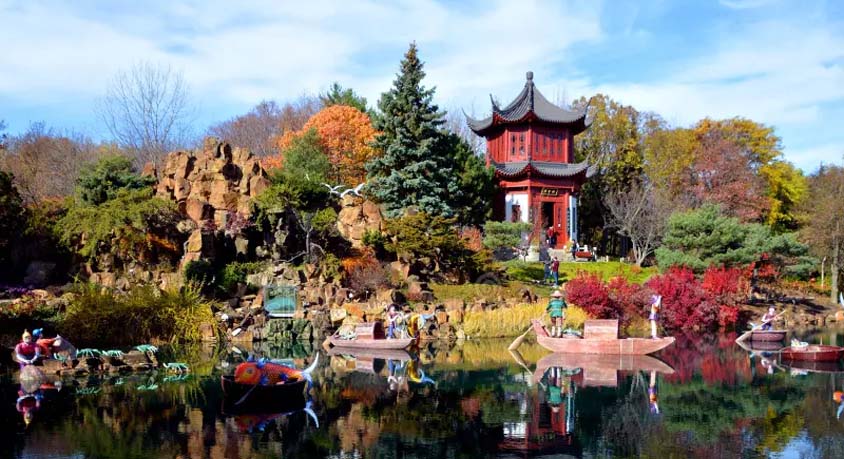
Another part of the garden that stood out to me was the Chinese Garden. This garden is a stunning example of classical Chinese garden design. It features traditional Chinese landscaping elements like ponds, bridges, and carefully placed rocks. The paths lead me through a peaceful space where I could admire bonsai trees and other plants that are native to China.
This garden is the largest of its kind outside of China, and it made me feel as though I had stepped into a different world. The layout is designed to create harmony between nature and architecture, with each feature thoughtfully placed to enhance the overall beauty of the space. I took my time walking around, enjoying the peaceful atmosphere that the garden creates.
Just a short walk away is the Japanese Garden, which I also enjoyed exploring. The Japanese Garden is smaller than the Chinese Garden, but it is equally beautiful. The plants here are typical of Japan, with bonsai trees, flowering cherry trees, and unique shrubs. What I particularly enjoyed about the Japanese Garden was the focus on simplicity and tranquility. It was a perfect space for quiet reflection.
A highlight of the Japanese Garden was the area dedicated to the Japanese tea ceremony. The garden has a small tea house where, in summer, they hold live performances of traditional Japanese tea ceremonies. I didn’t get to witness the ceremony during my visit, but it was exciting to know that such a rich cultural tradition is part of the garden.
The First Nations Garden is another fascinating part of the botanical garden. This area is dedicated to showcasing Canada’s native plants. As I walked along the paths, I saw beautiful maple trees, birch trees, and pine trees. These trees are significant to Canada’s ecosystem and cultural heritage. The garden also features totem poles that represent the art of Indigenous peoples. It was a powerful experience to see these symbols of Canada's history and culture.
The garden provides a deeper understanding of how the First Nations people lived with and respected the land. The plants are displayed in a way that highlights their importance to the Indigenous communities of Canada. I took some time to read the plaques explaining the traditional uses of the plants and learned a lot about the connection between the land and the people.
One of the things that impressed me most about the Montreal Botanical Garden was its ability to change throughout the year. With such a variety of plants, the garden looks different depending on the season. In the spring and summer, the garden bursts with color as flowers bloom and trees grow lush. In the fall, the leaves change to rich reds and oranges, creating a beautiful landscape. Even in the winter, the garden has its charm, with evergreen trees and winter plants that add a touch of green to the snowy landscape.
Each season brings something unique to the garden, making it a place that I would love to visit again and again. Whether you visit in the heat of summer or the chill of winter, the beauty of the garden is always present.
Aside from the beautiful plants and gardens, the Montreal Botanical Garden also offers a wealth of educational opportunities. There are exhibits throughout the garden that explain the science behind plant life, conservation efforts, and the importance of biodiversity. I saw signs explaining the different species and how they fit into the larger ecosystem. The garden’s commitment to education makes it an even more valuable place to visit.
I also noticed that many families were visiting, and there were plenty of activities for children. The garden offers interactive displays and workshops that make learning about nature fun for people of all ages. It was clear that the garden is not only a place for adults to enjoy but also a place where children can learn and explore.
My visit to the Montreal Botanical Garden was an unforgettable experience. The wide variety of plants, the beautiful gardens, and the peaceful atmosphere made it a perfect place to spend a day. Whether you’re interested in botany, culture, or just enjoying nature, this garden has something for everyone. It’s no surprise that it is considered one of the most important botanical gardens in the world.
Disclaimer: Mention of any brand or trademark is for identification only and does not imply partnership or endorsement